














Methodology of the co-creation process and report on mitigation measures
The document presents the methodology and results of Task 4.2 “Co-creating intersectional mitigation plans” implemented within FITTER-EU. The objective of the task was to develop a structured co-creation process to identify and propose mitigation measures addressing the negative effects of twin transition policies on disadvantaged groups (DGs) in the energy, housing and transport sectors.
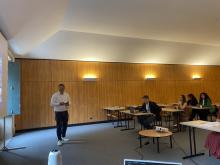
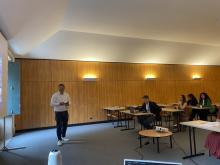
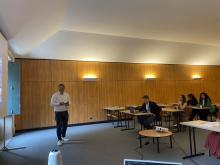
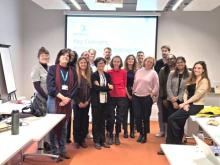
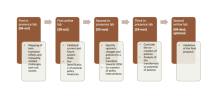
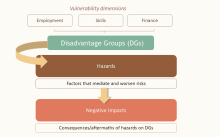
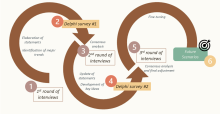
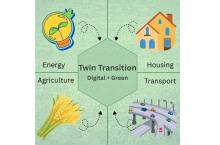
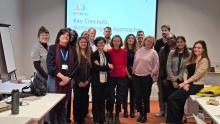
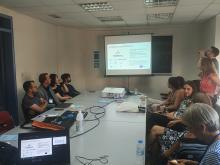
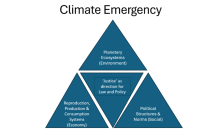
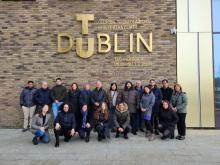
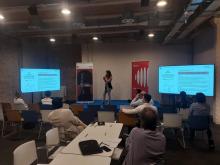
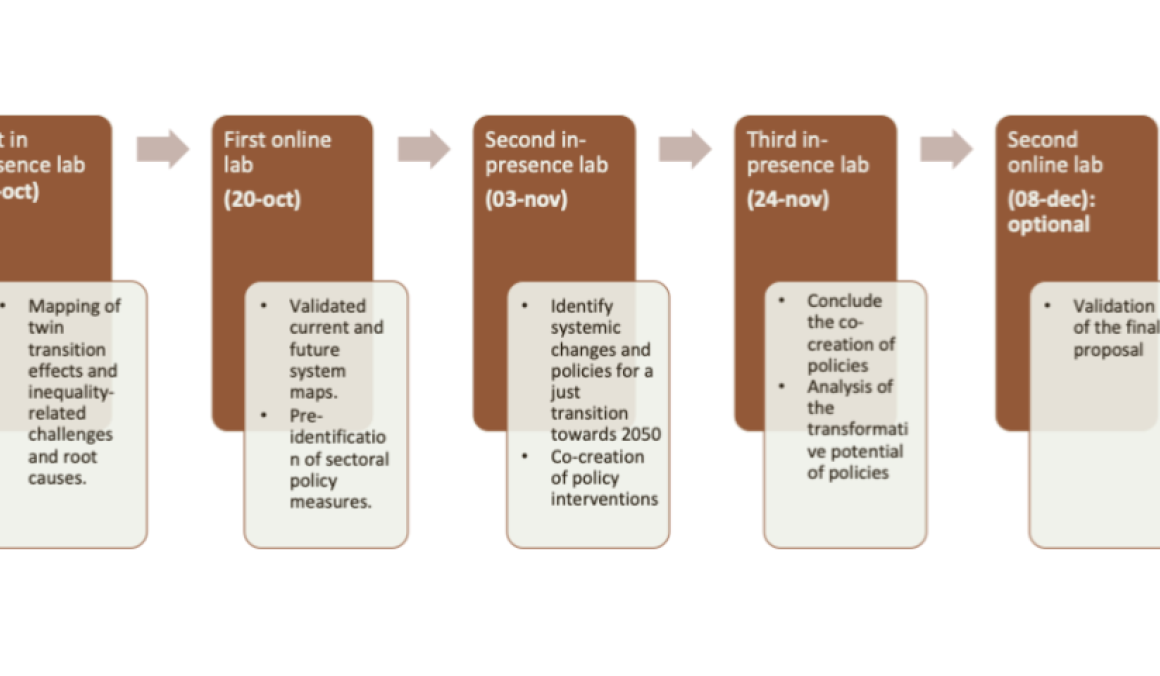
The co-creation process was implemented in six country case studies: Germany, Hungary, Ireland, Italy, Portugal and Spain. In each country, a series of in-presence and online sessions were organised between September and December 2025, involving intermediary organisations representing DGs, policymakers, policy experts and civil society actors. The methodology was grounded in the just transition framework developed in WP2 and the risk and scenario analysis carried out in WP3. It combined a systemic approach with structured facilitation tools, including system mapping exercises to analyse the negative effects of the twin transition in three sectors – housing, energy and transport. As part of the co-creation process participants were involved in formulating “mitigation measures” aimed at promoting a just transition.
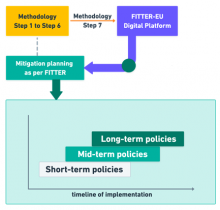
The co-creation process resulted in a portfolio of mitigation measures was developed in each country, including both adaptations of existing policies and new policy proposals. These measures were analysed in terms of their transformative potential and feasibility and classified accordingly. The outputs of the co-creation labs are structured to feed into the FITTER Digital Platform developed under WP5, contributing to the project’s objective of supporting anticipatory governance for a fair and inclusive twin transition.
For further details, please check the full document:
https://zenodo.org/records/18714770
Note: this deliverable has been submitted to the EU Commission and is currently under review. It has not yet been approved and should be used at the reader’s own discretion.