


























Report on the outcomes of hazards and negative impacts
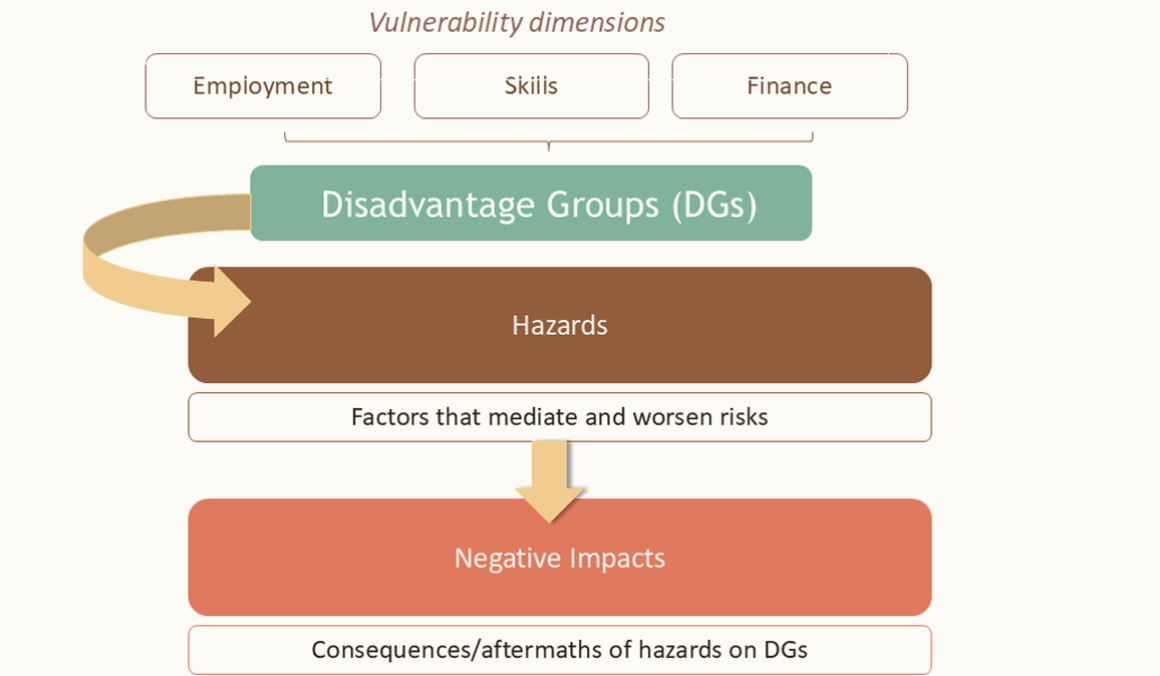
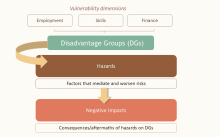
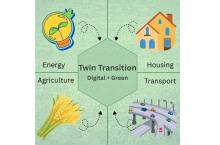
The deliverable D3.3 reports on the outcomes of hazards and negative impacts associated with the twin transition in Europe, with a particular focus on how these processes affect disadvantaged groups across four critical sectors: energy, housing and built environment, mobility and transport, and agriculture and food. Building on prior work in D3.1 and D3.2, this report maps hazards and links them to negative impacts, prioritizing them according to their likelihood and severity.
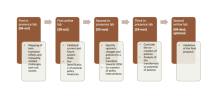
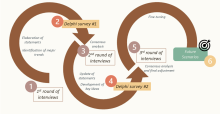
The methodology adopted for this document combines three complementary approaches: a literature review of risks linked to the twin transition, 34 semi-structured interviews with potentially vulnerable and disadvantaged groups across five Member States, and a Delphi survey with experts to rank hazards according to probability and impact.
The analysis demonstrates that hazards rarely occur in isolation. Instead, they interact and reinforce one another, producing cumulative disadvantages that deepen existing inequalities. Vulnerable groups most exposed to these risks include low-income households, migrants and refugees, older workers, rural residents, small-scale farmers, people with disabilities, and digitally excluded individuals. The findings show that the twin transition will only succeed if social justice and fairness are placed at its core.
For further details, please check the full document:
https://zenodo.org/records/17541432
Note: this deliverable has been submitted to the EU Commission and is currently under review. It has not yet been approved and should be used at the reader’s own discretion.