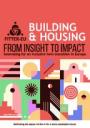


































Building and Housing: From Insight to Impact

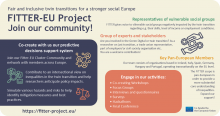
The new booklet devoted to the building and housing sector in the context of the twin transition has recently been published. It examines how Europe can renovate homes without deepening housing inequalities or displacing those most in need. It is based on the FITTER-EU Housing Policy Brief and draws on research conducted under the Horizon Europe project FITTER-EU. The focus is on energy renovation, affordable and healthy homes, tenants’ rights and equitable access to support.
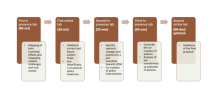
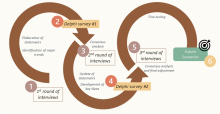
FITTER-EU combined desk research, rights-based systems analysis, expert interviews, governance mapping, a Delphi exercise, a housing survey and national co-creation labs. The housing survey and housing-focused co-creation labs covered three countries: Germany, Ireland and Portugal. The findings led to the formulation of the following key messages:
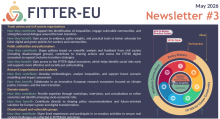
- Renovation support often reaches those who can afford to pay upfront. Low-income homeowners and tenants are more likely to remain in cold, damp or energy-inefficient homes.
- Higher electricity and heating bills are the most widely shared concerns. Cold and damp homes, as well as the illnesses associated with them, are considered particularly serious harms.
- Tenants face a double risk: they cannot decide whether to renovate their homes, yet may face rent increases or eviction when landlords undertake renovations.
- Migrants, informal tenants, travellers and residents of caravans or mobile homes may be excluded by eligibility rules or inaccessible services.
- Seven policy recommendations show how governments can fund deep renovations fairly, protect tenants and give residents a meaningful voice.