




















Lab session Portugal
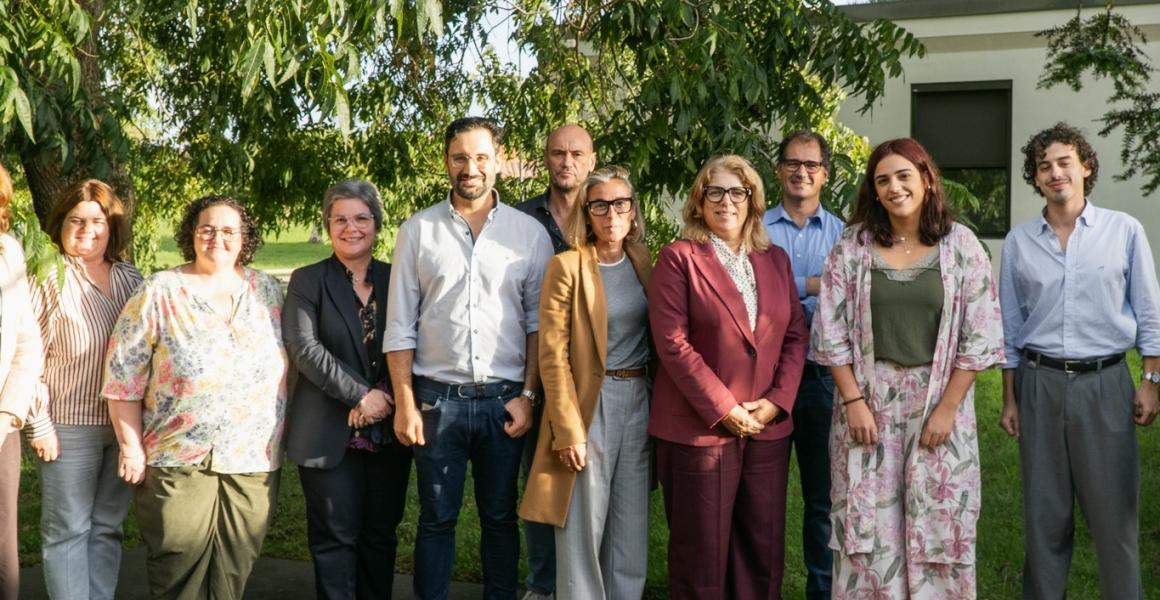
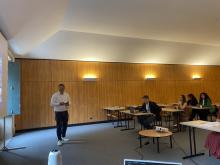
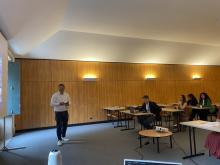
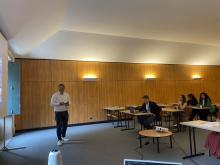
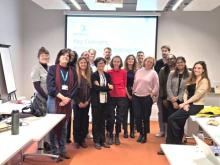
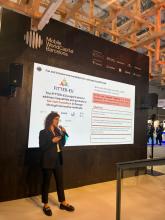
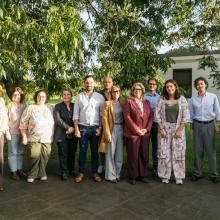
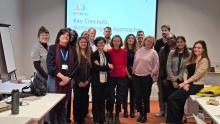
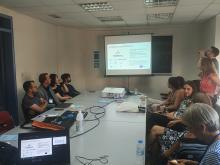
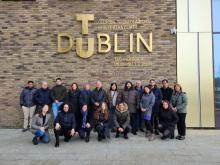
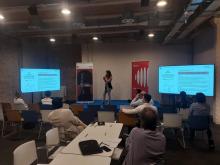
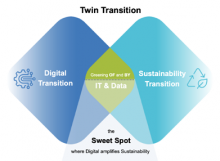
On 7th November, Universidade Nova de Lisboa in partnership with CCIAH, organised first in-person meeting as part of “For a Fair Green and Digital Transition in the Fields of Energy and Housing” initiative. The event brought together policymakers, representatives from the private sector, academia, and civil society, creating a space for open dialogue on the challenges and opportunities of green and digital transitions. Discussions focused particularly on the social and economic impacts of these transitions in the areas of energy and housing, reinforcing the shared understanding that a green and digital transition must be inclusive, sustainable, and fair. This initial meeting marked the beginning of a broader process, complemented by further in-person and online sessions.
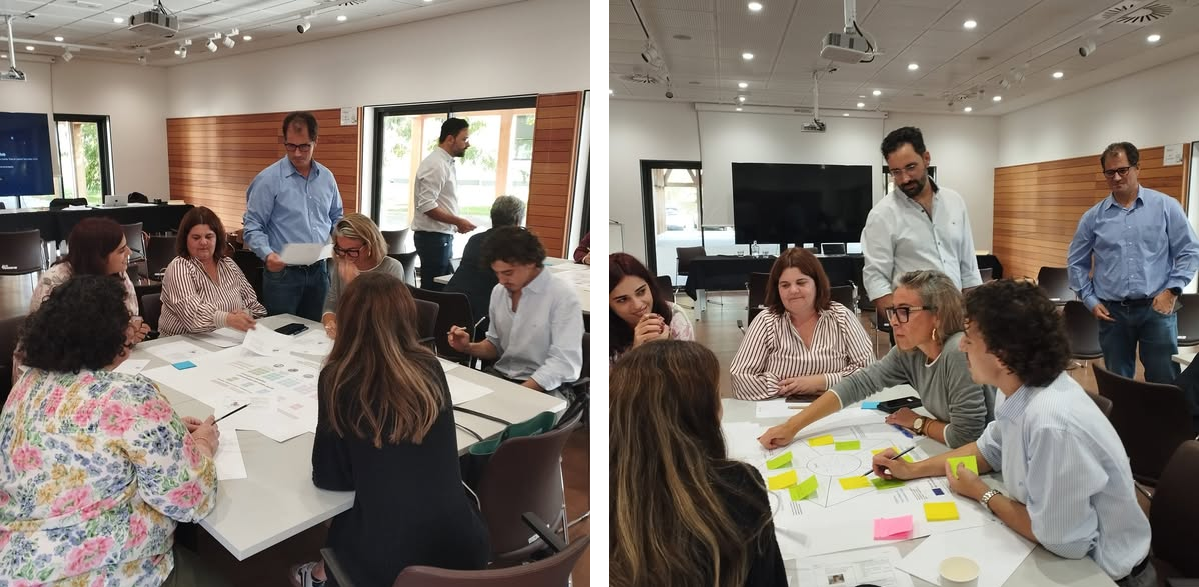
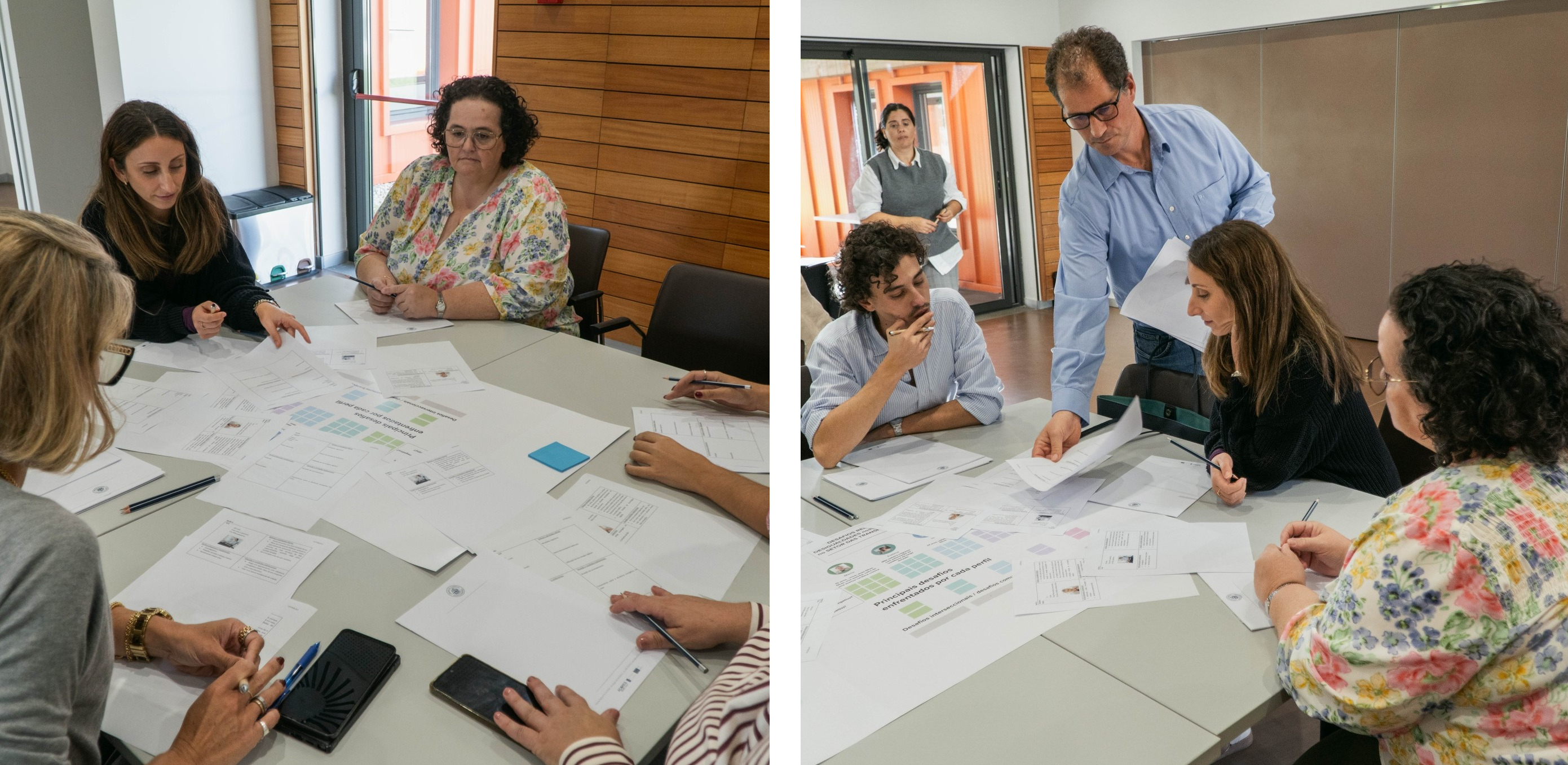
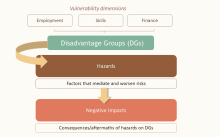
During the workshop, participants spontaneously organised themselves into two cross-sectoral working groups based on shared interests and affinities. Rather than separating discussions by sector, each group brought together perspectives from energy, housing, and mobility areas. Through guided brainstorming and personas exercises, participants explored how challenges in energy and housing are deeply interconnected in everyday life. Building on a shared analysis of predefined personas, both groups identified key vulnerabilities, policy gaps, and intersectional challenges linked to the twin green and digital transitions. Recurring issues included income constraints, access to affordable housing and transport, digital skills gaps, age-related barriers, and uneven exposure to sustainability-related costs. To further explore underrepresented aspects and policy blind spots, participants developed additional fictional personas reflecting local profiles and lived experiences illustrating how energy- and housing-related challenges are closely intertwined at the individual level.
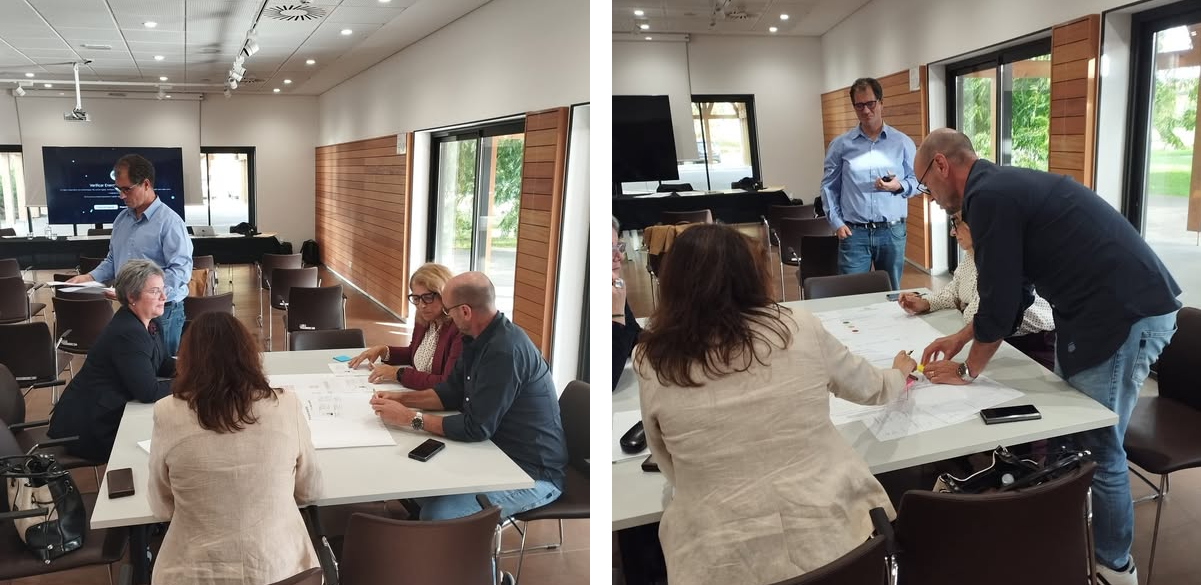
The plenary discussion highlighted financial and economic constraints as a dominant, cross-cutting challenge across both sectors, affecting households’ capacity to engage with transition measures. Accessibility concerns emerged in different forms, ranging from financial capacity and dependence on landlords in the energy sector to access to affordable housing and eligibility for support programmes in the housing sector. Participants also stressed the unequal social impacts of the transitions, particularly for older people, migrants, and other vulnerable groups, as well as governance and policy design gaps related to targeting, coordination, and implementation. Together, these insights underscored the need for more integrated, context-sensitive, and people-centred approaches to the green and digital transition.